Forestry netting type L
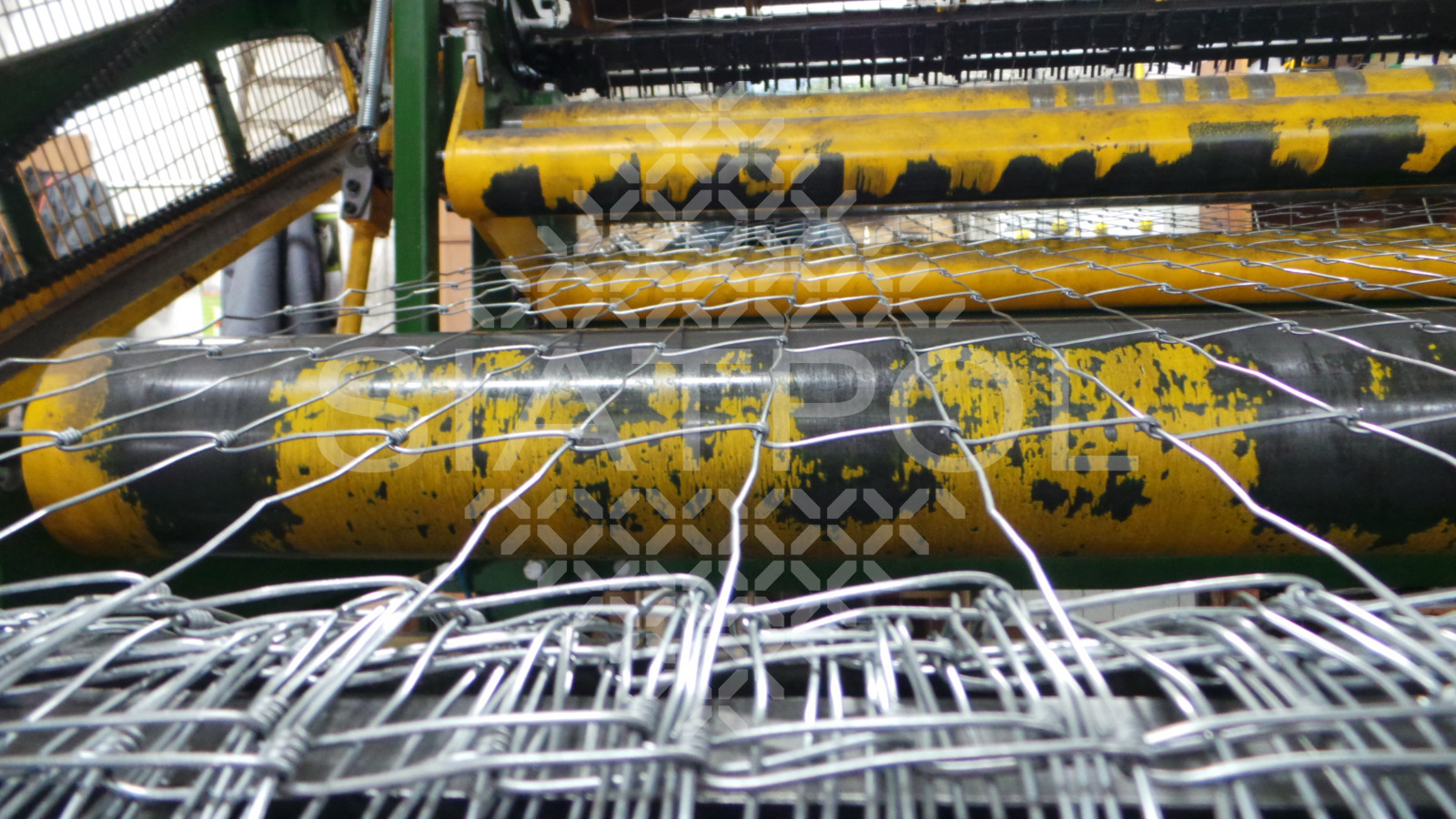
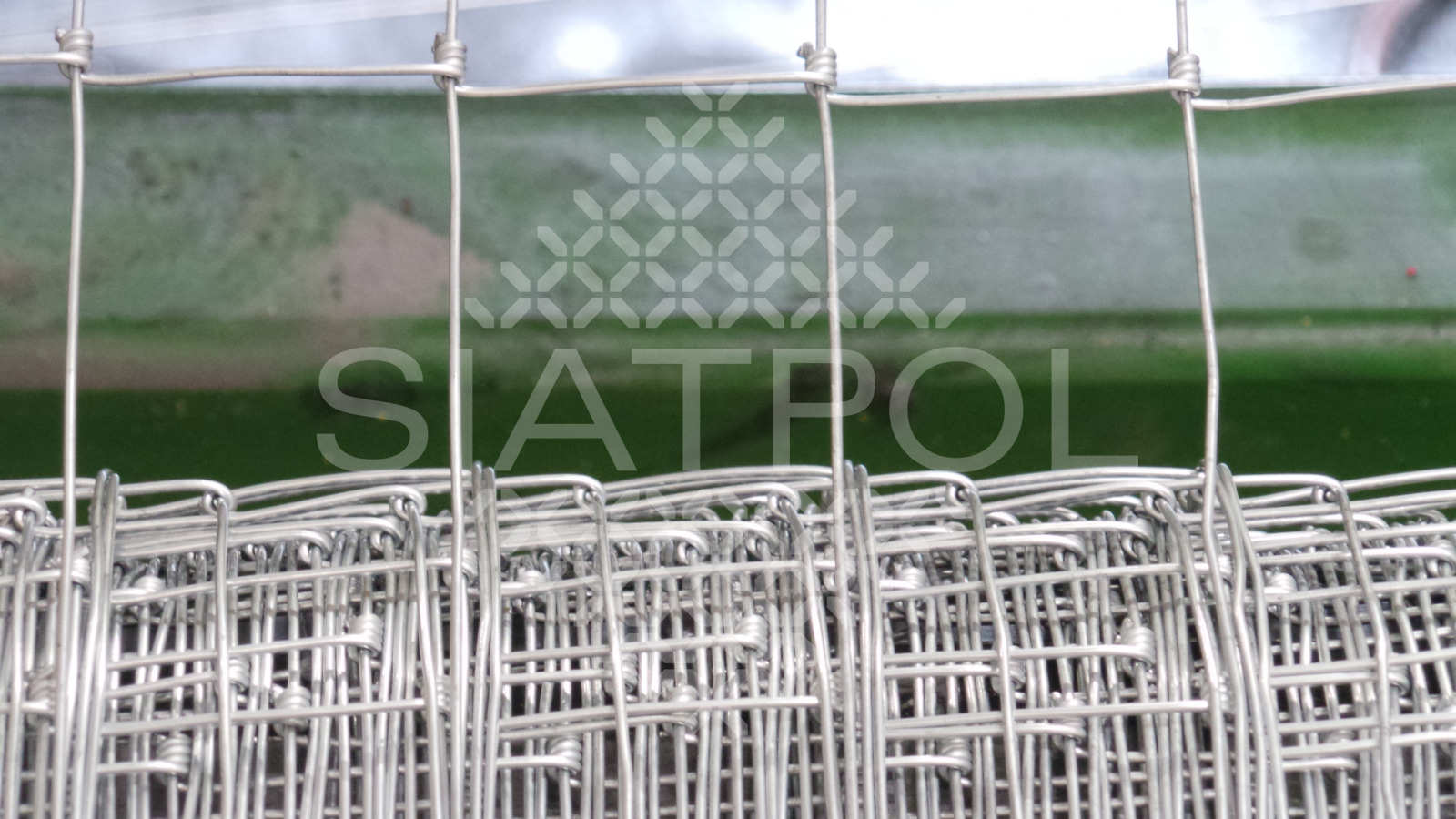
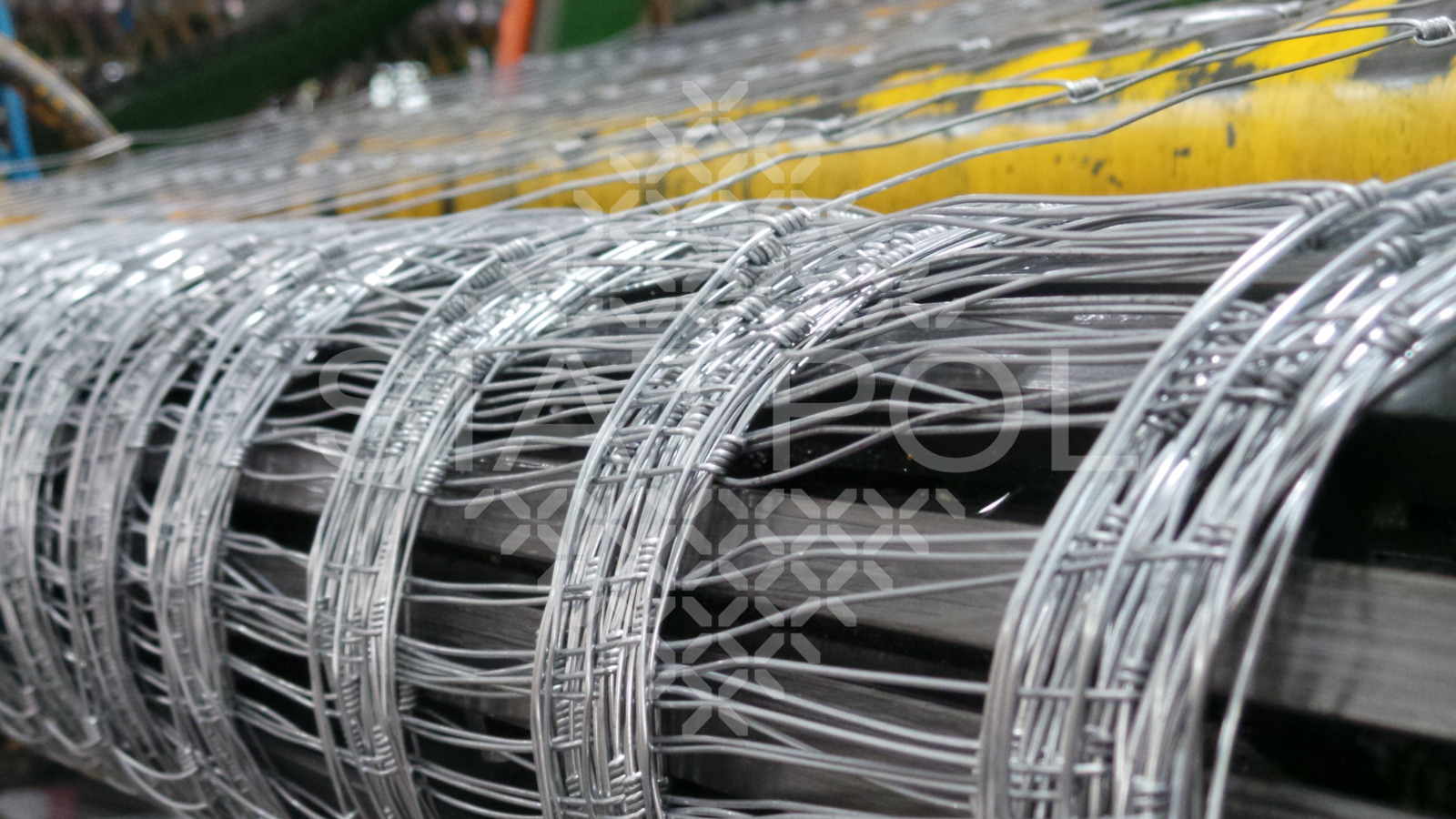
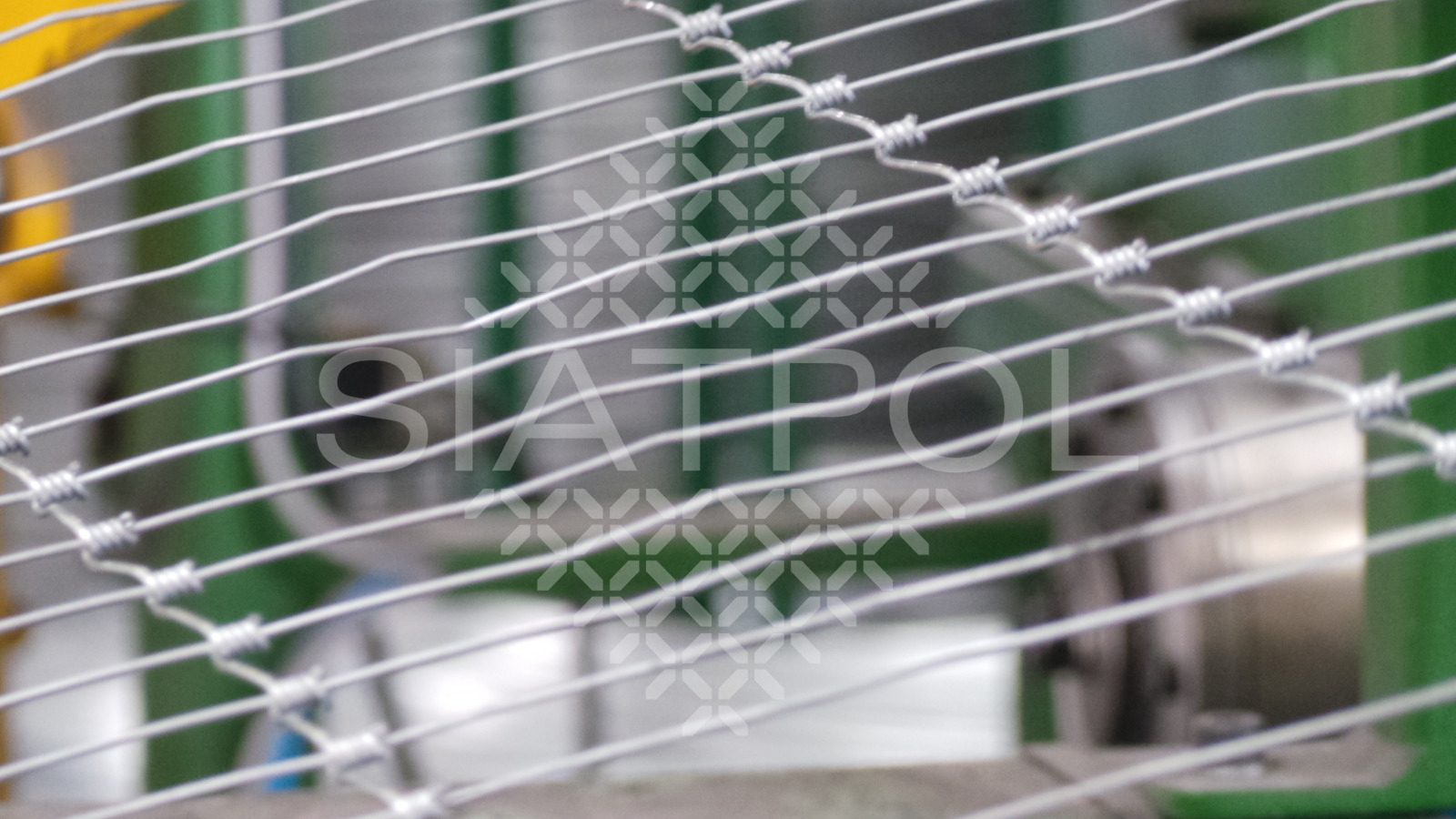
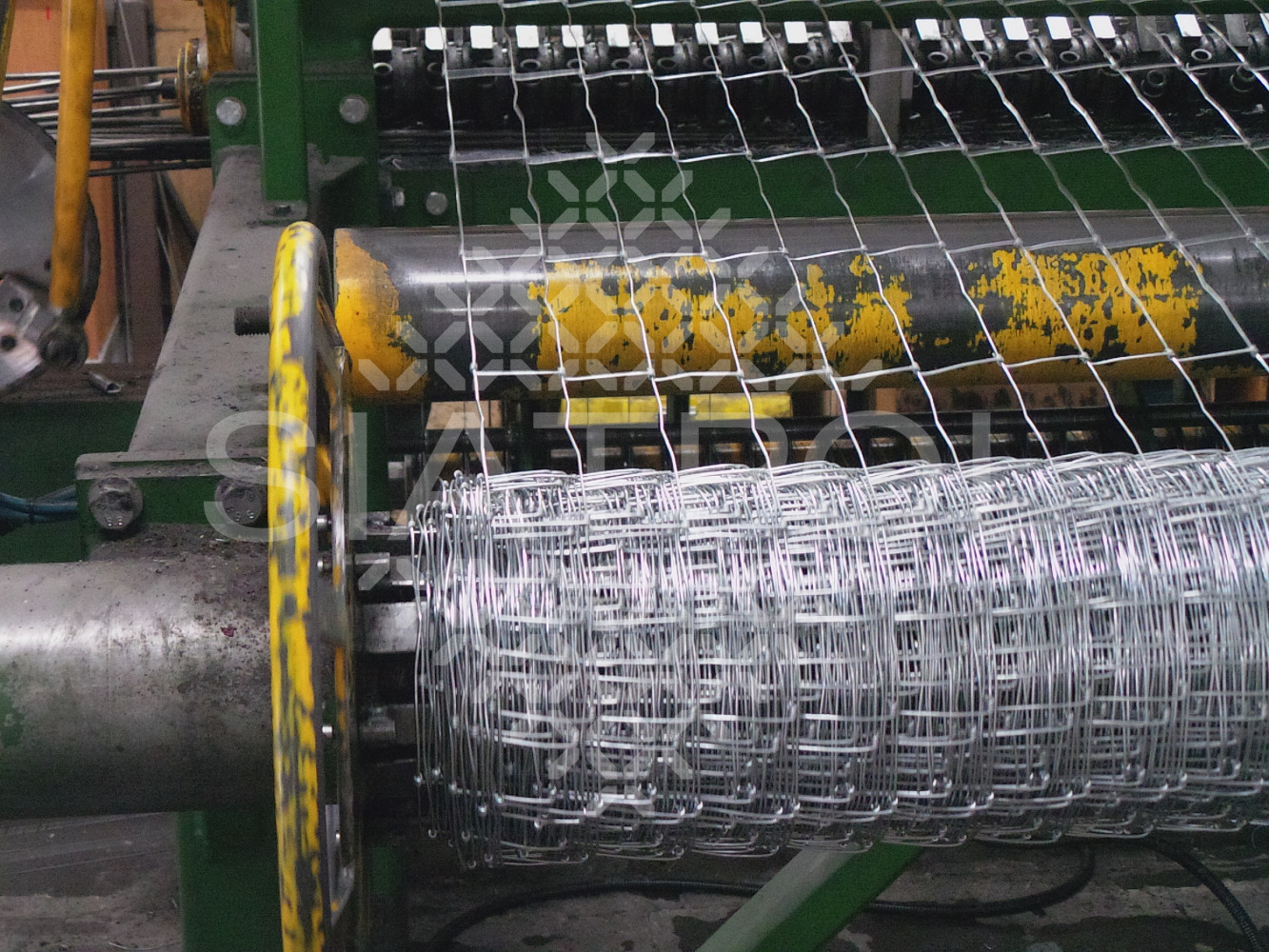
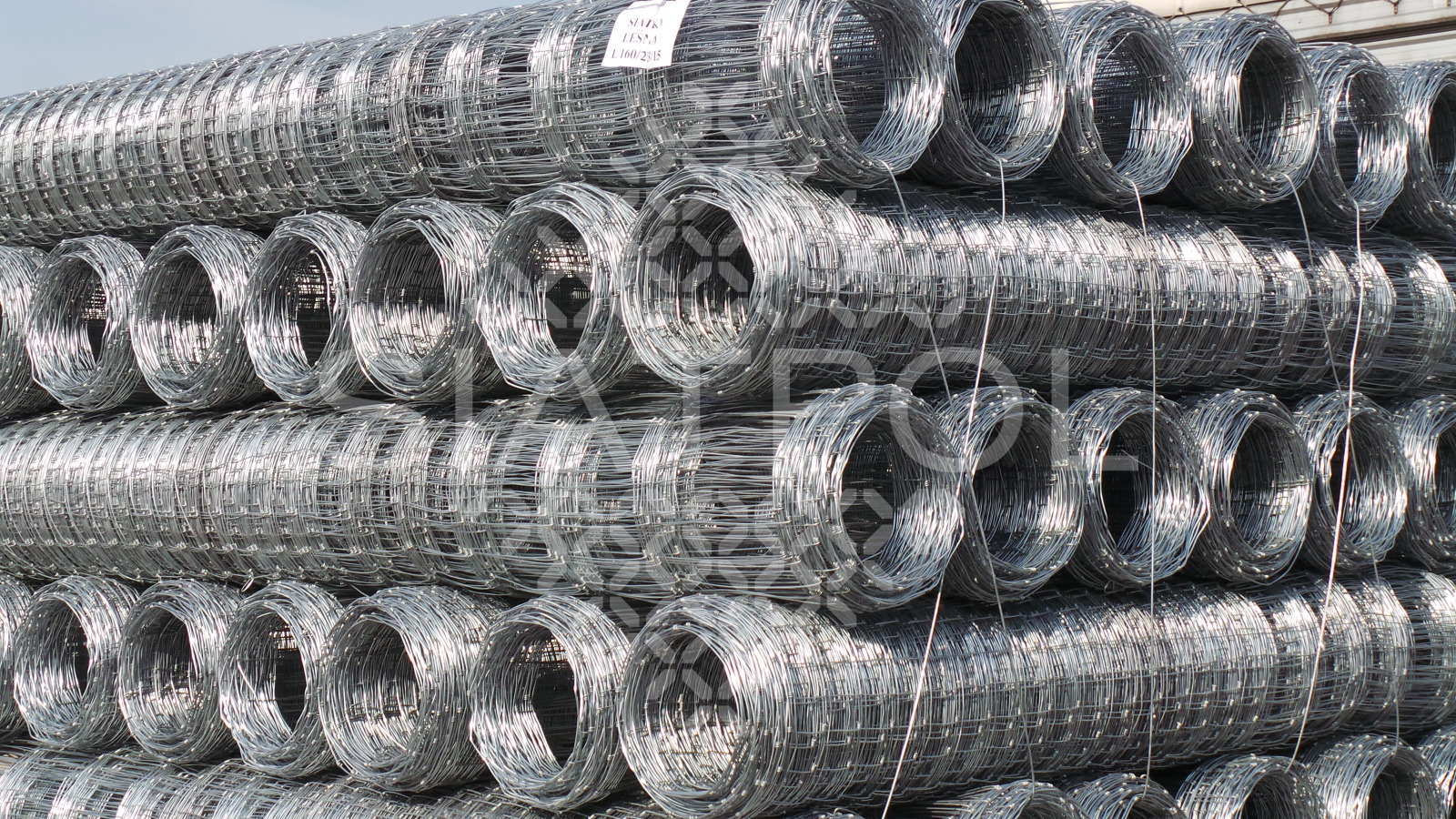
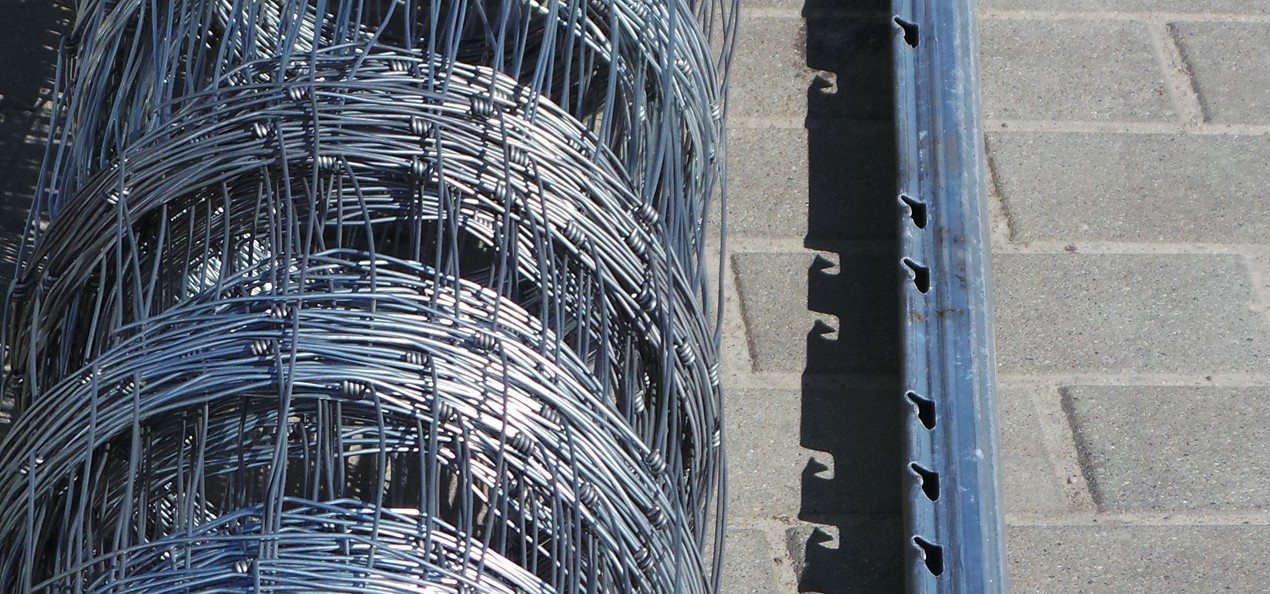
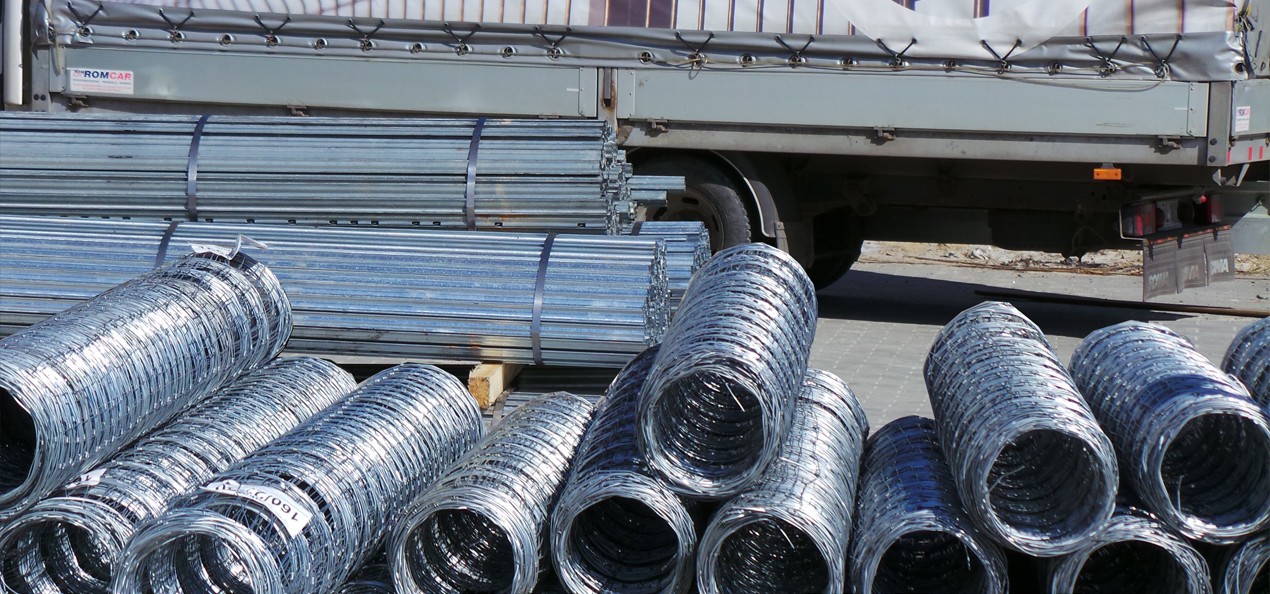
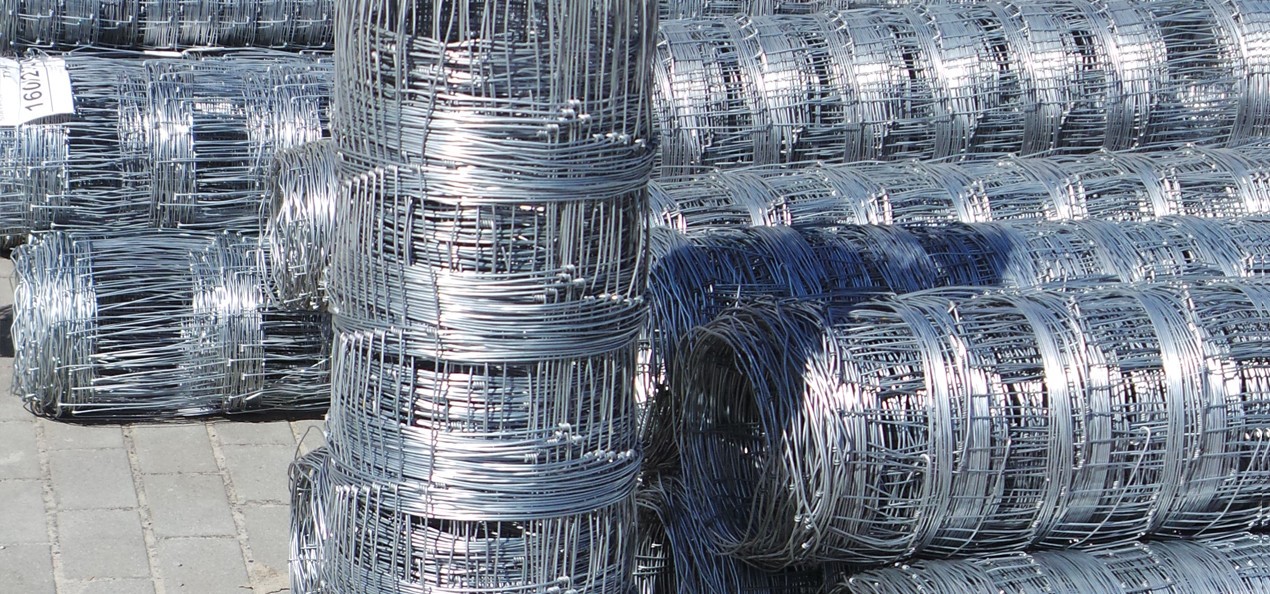
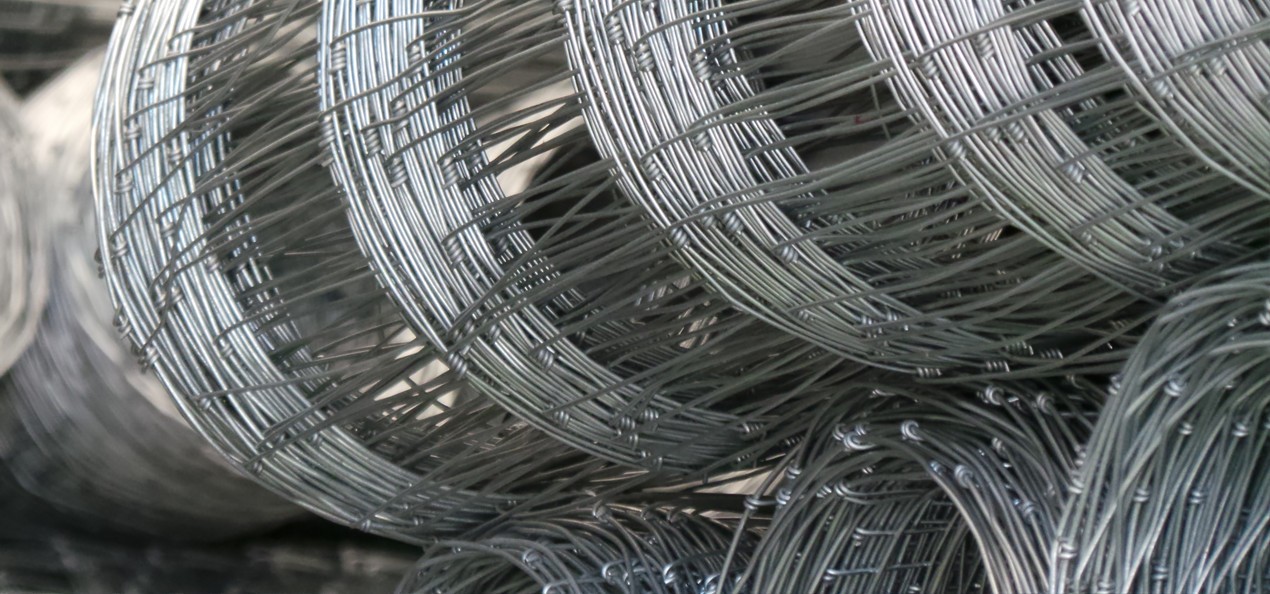
L-type (LIGHT) forest netting is the basic version of forest netting. It is made of galvanised wires with a diameter of 2.5 mm for the edge wires and 1.6 mm for the others. It is used to protect forest areas, agricultural crops, enclosures for farm animals and highways and motorways. Lightweight and aesthetically pleasing, it does not interfere with the natural landscape.
Application
The low price and easy installation make L-type forest netting one of the most popular fences on the market. They are used for fencing:
- forested areas, especially young forests,
- agricultural crops, pastures, paddocks for farm animals,
- orchards, gardens, recreational plots,
- motorways, motorways and coloured tractions,
- building sites, seasonal facilities, etc.
L-type forest nets block the entrance mainly to weaker animals: deer, foxes, hares. For larger animals such as wild boar, we recommend our M-type forest nets.
straight from the manufacturer
Technical specifications
The dimensions of the forest grid are described by three numbers:
- The first indicates the height of the grid in centimetres,
- the second gives the number of horizontal (longitudinal) wires in pieces,
- The third is the spacing between the individual vertical wires in centimetres.
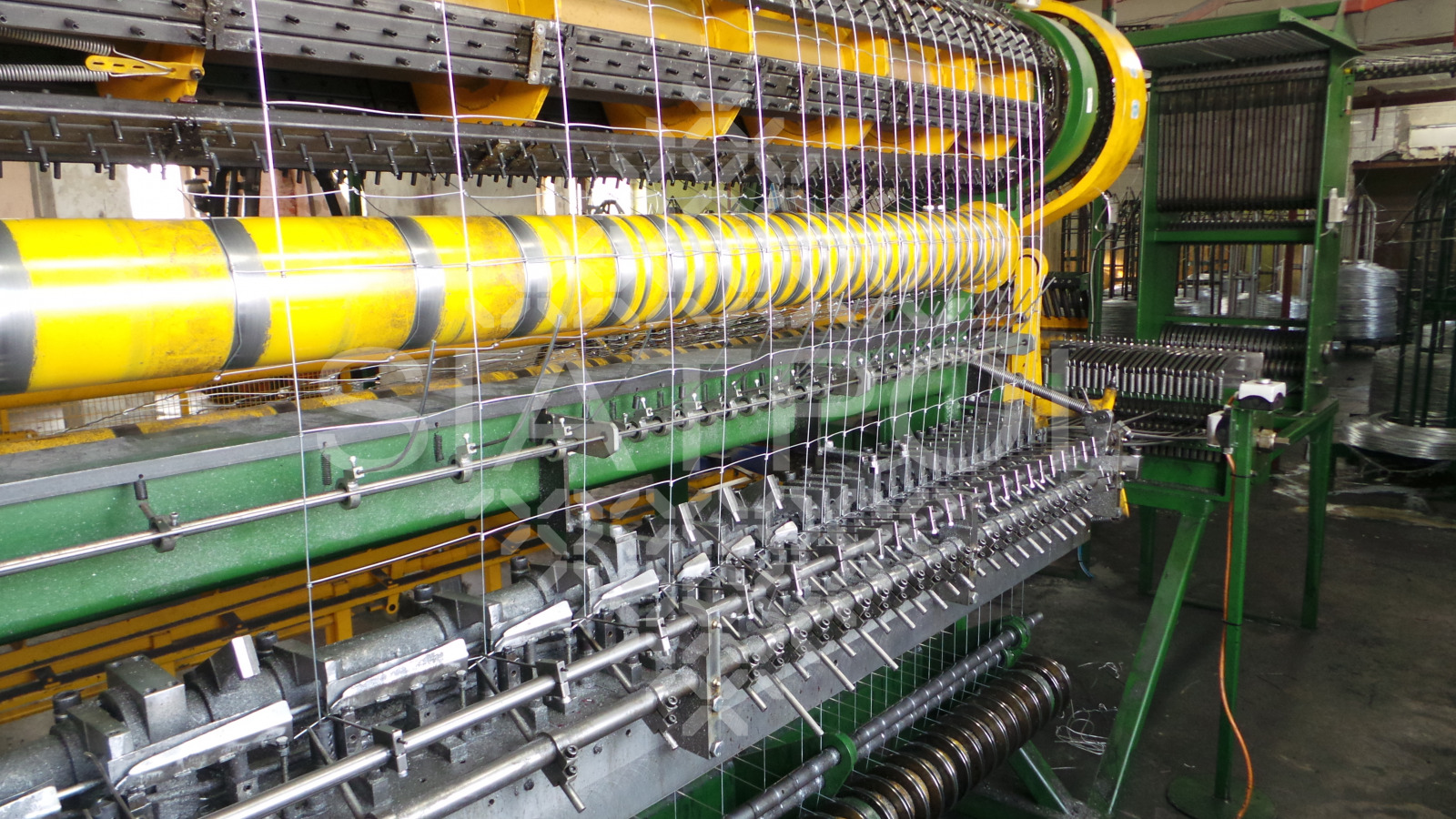
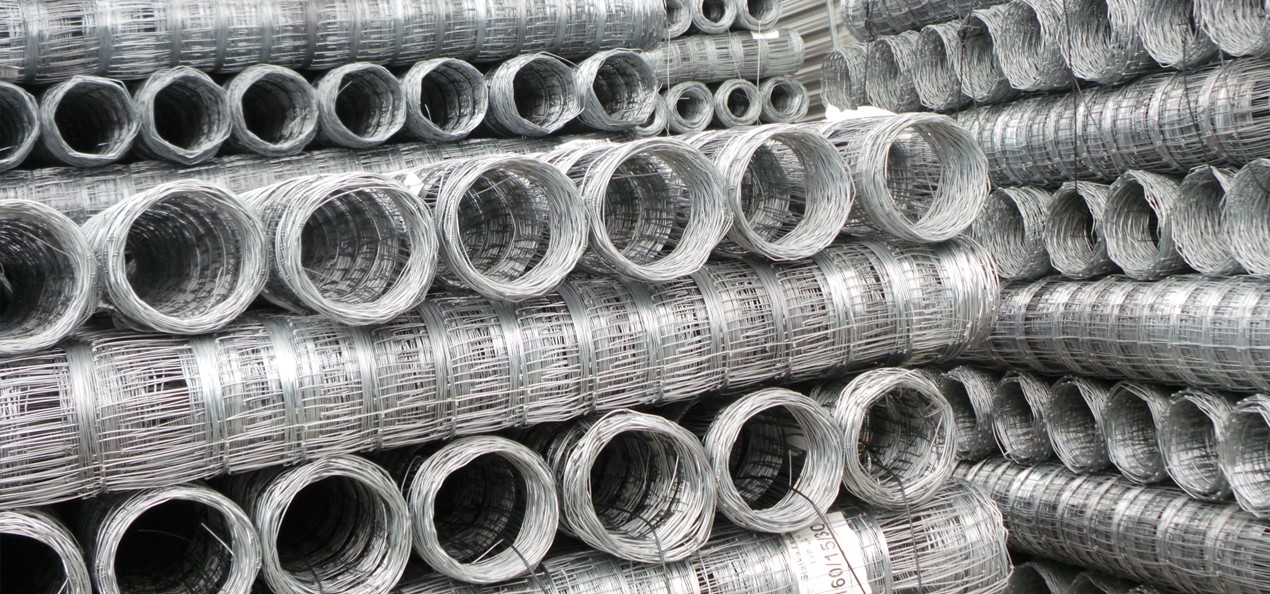
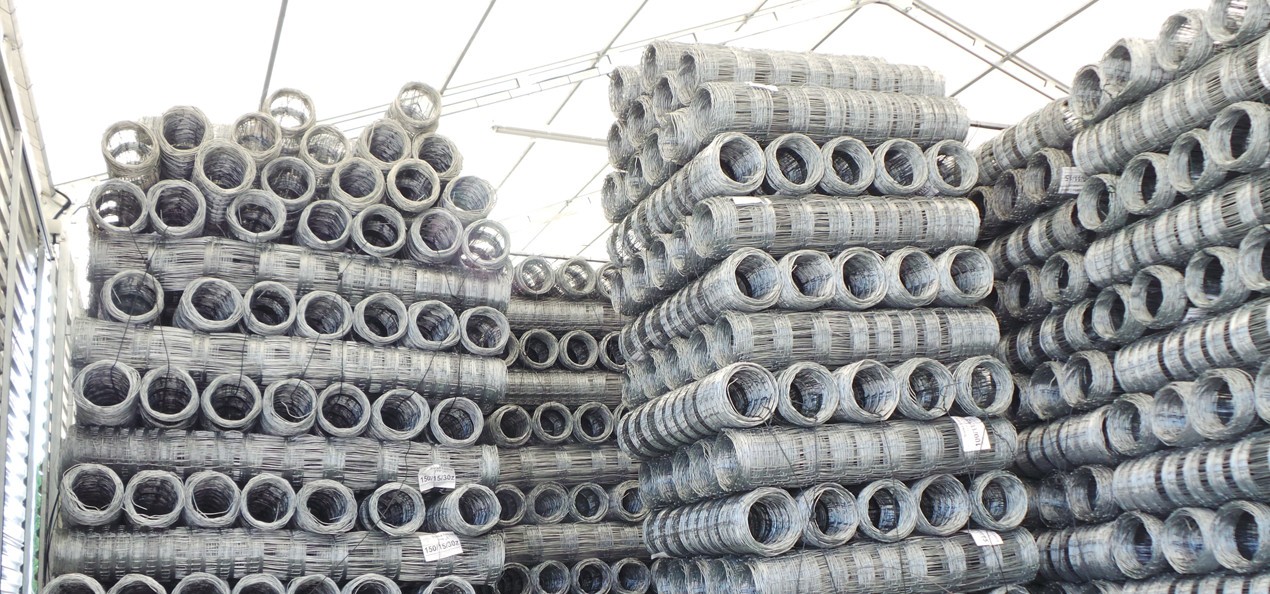
For example: a forest net 160/23/15 is a net 160 cm high, braided with 23 horizontal wires, whose wires vertical wires are spaced every 15 cm. We are a manufacturer of forest netting in many variants. In our wide range of products, everyone will find the product they are looking for. We offer the nets in rolls of 50 metres in length.
| type of mesh | wire spacing | height of net [cm] |
number of longitudinal wires | spacing between vertical wires [cm] |
Roll length [m] |
|---|---|---|---|---|---|
| 100/10/15 | 7x10,2x15 | 100 | 10 | 15 | 50 |
| 100/10/30 | 7x10,2x15 | 100 | 10 | 30 | 50 |
| 100/11/15 | 3x5,4x10,3x15 | 100 | 11 | 15 | 50 |
| 100/18/15 | 14x5,3x10 | 100 | 18 | 15 | 50 |
| 125/13/15 | 5x5,3x10,2x15,2x20 | 125 | 13 | 15 | 50 |
| 125/13/30 | 5x5,3x10,2x15,2x20 | 125 | 13 | 30 | 50 |
| 125/15/15 | 9x5,1x10,2x15,2x20 | 125 | 15 | 15 | 50 |
| 125/15/30 | 9x5,1x10,2x15,2x20 | 125 | 15 | 30 | 50 |
| 125/18/15 | 11x5,4x10,2x15 | 125 | 18 | 15 | 50 |
| 150/10/15 | 6x15,3x20 | 150 | 10 | 15 | 50 |
| 150/10/30 | 6x15,3x20 | 150 | 10 | 30 | 50 |
| 150/13/15 | 8x10,2x15,2x20 | 150 | 13 | 15 | 50 |
| 150/13/30 | 8x10,2x15,2x20 | 150 | 13 | 30 | 50 |
| 150/15/15 | 6x5,3x10,2x15,3x20 | 150 | 15 | 15 | 50 |
| 150/15/30 | 6x5,3x10,2x15,3x20 | 150 | 15 | 30 | 50 |
| 150/17/15 | 10x5,1x10,2x15,3x20 | 150 | 17 | 15 | 50 |
| 150/17/30 | 10x5,1x10,2x15,3x20 | 150 | 17 | 30 | 50 |
| 150/19/15 | 12x5,2x10,2x15,2x20 | 150 | 19 | 15 | 50 |
| 150/21/15 | 16x5,2x15,2x20 | 150 | 21 | 15 | 50 |
| 160/15/15 | 11x10,2x15,1x20 | 160 | 15 | 15 | 50 |
| 160/15/30 | 11x10,2x15,1x20 | 160 | 15 | 30 | 50 |
| 160/23/15 | 16x5,3x10,2x15,1x20 | 160 | 23 | 15 | 50 |
| 160/23/30 | 16x5,3x10,2x15,1x20 | 160 | 23 | 30 | 50 |
| 180/15/15 | 8x10,4x15,2x20 | 180 | 15 | 15 | 50 |
| 180/15/30 | 8x10,4x15,2x20 | 180 | 15 | 30 | 50 |
| 180/20/15 | 10x5,4x10,2x15,3x20 | 180 | 20 | 15 | 50 |
| 180/20/30 | 10x5,4x10,2x15,3x20 | 180 | 20 | 30 | 50 |
| 180/24/15 | 16x5,3x10,2x15,2x20 | 180 | 24 | 15 | 50 |
| 200/17/15 | 11x10,2x15,3x20 | 200 | 17 | 15 | 50 |
| 200/17/30 | 11x10,2x15,3x20 | 200 | 17 | 30 | 50 |
| 200/25/15 | 16x5,3x10,2x15,3x20 | 200 | 25 | 15 | 50 |
| 200/25/30 | 16x5,3x10,2x15,3x20 | 200 | 25 | 30 | 50 |
Diagrams of L-type forestry nets
Need a forest netting for hares, foxes or rabbits? Check out our convenient diagrams. They make it easy for you to select a net to suit your needs. If small animals are a threat to the area, the net can be lower, but it must have a denser mesh from below. We suggest, for example, a 125/15/15 model. When deer are expected to visit, a taller net will work better - 160/15/15 or 180/15/30.


Mounting
The simple and quick assembly of forest netting is one of its main strengths. The work does not require technical knowledge or the use of heavy machinery. However, it must be done carefully and precisely. First of all, it is necessary to take care of the correct tensioning of the netting. In this way, the forest fence will fulfil its protective function for a long time.
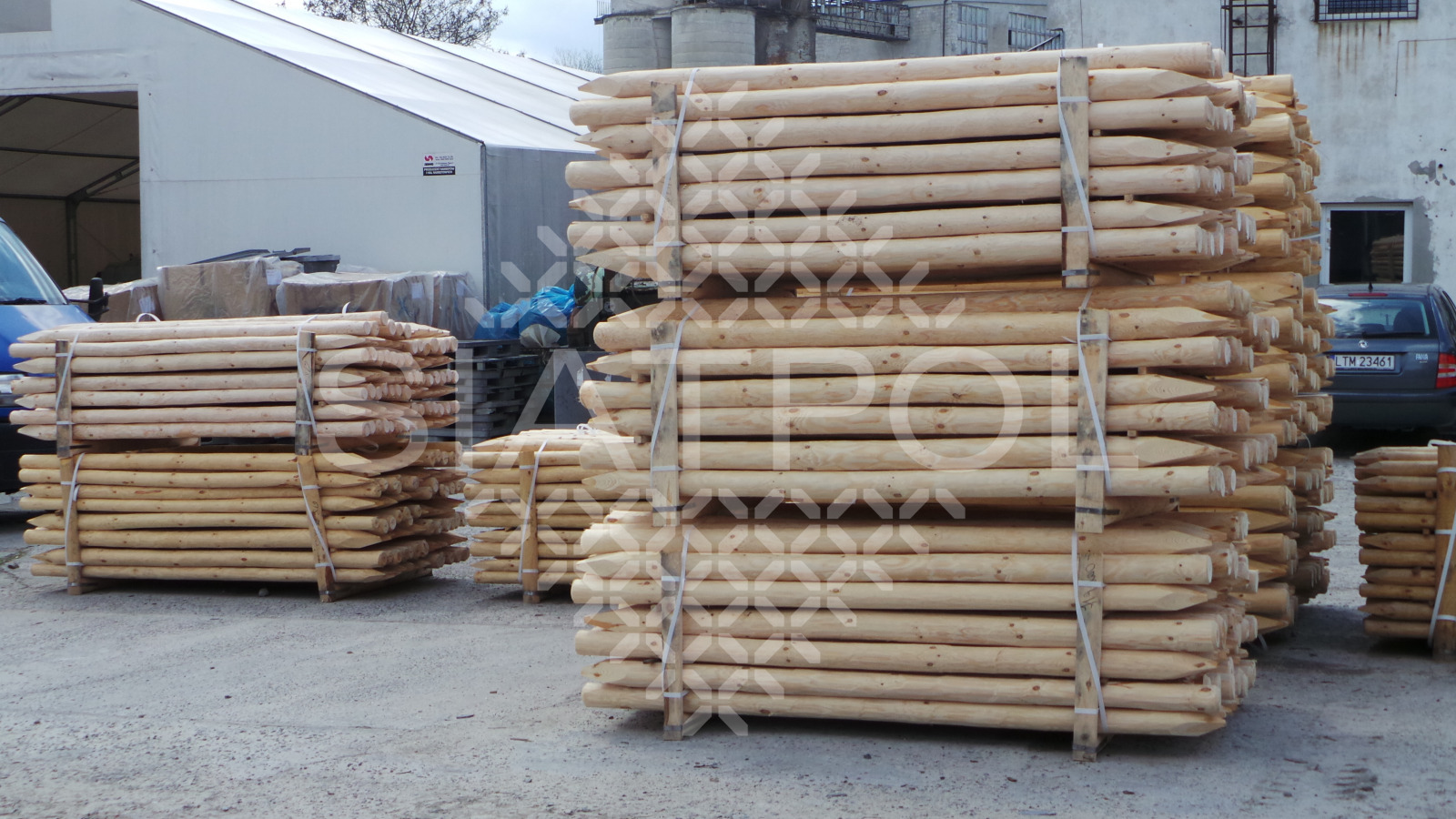
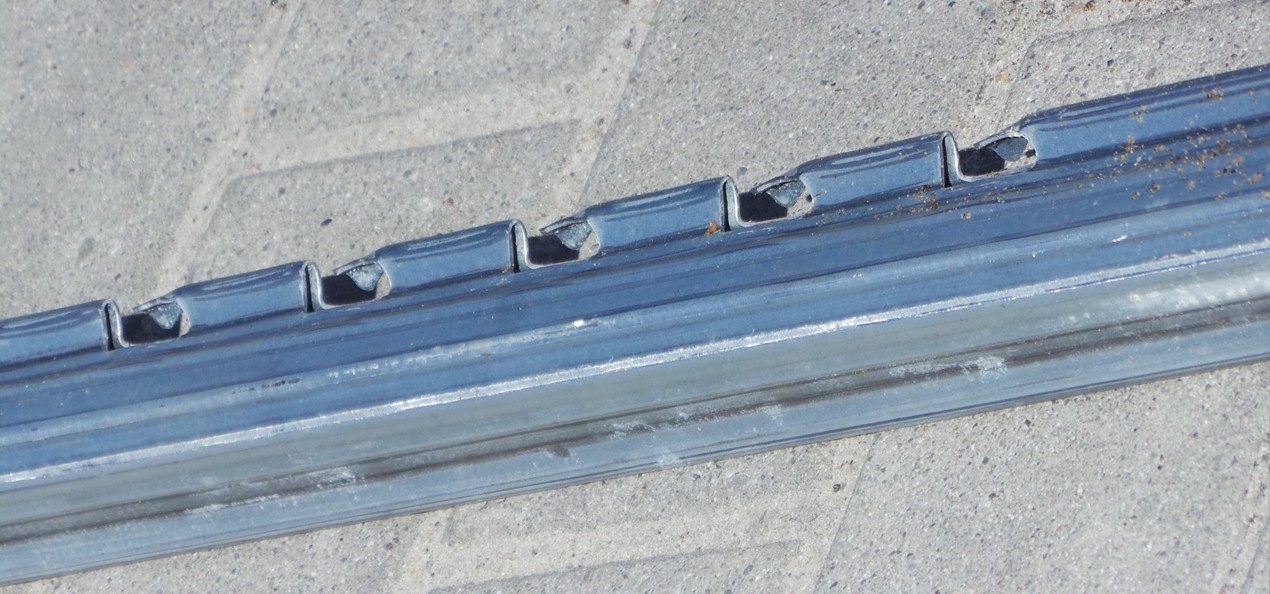
Forestry netting is attached to steel posts using mounting brackets or to wooden posts using pins or U-shaped nails. It is lightweight, so spacing between posts can be from 2 to 5 metres. A gallery showing the installation of the netting on different types of posts is available under forest and motorway fences.